
How NFL Prospects Handle Pressure and Decision-Making Under High Stakes
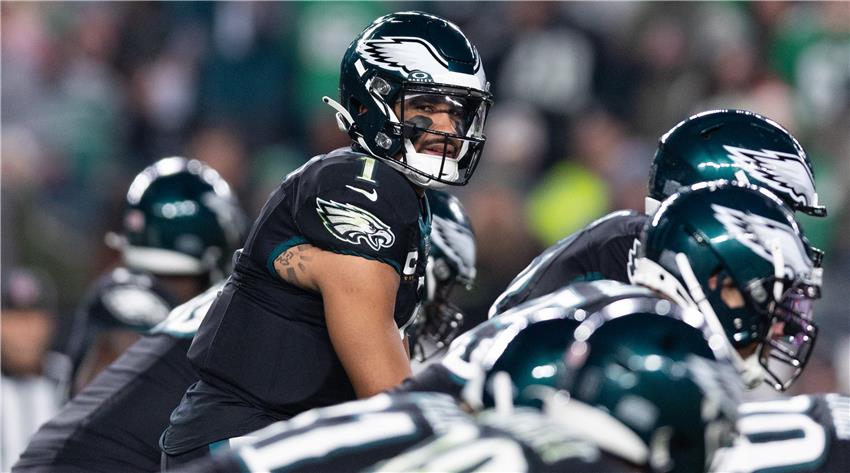
Pressure is the invisible defender every NFL prospect must face on the road to draft day. Cameras zoom in, scouts watch every step, and one shaky decision can change a future.
Sports fans rarely notice this early learning, yet it shapes every draft board. Handling that weight is not just about bigger muscles; it is about a sharper mind that stays calm when the stakes jump. Coaches often say the ball feels heavier during a two-minute drill. What they really mean is that choices shrink to split seconds, yet mistakes grow to headline size. An interesting parallel lives outside football. Gamblers study odds, notice patterns, and commit to action even when the outcome is unclear. In the same spirit, players review tape, trust preparation, and then pull the trigger. One can think of a quarterback eyeing a blitz the way a card shark eyes the next hand at Galactic Wins—both accept uncertainty and lean on practiced routines to stack the odds in their favor.
The Mental Playbook: Preparing for Pressure
Prospects do not wake up fearless; they build resilience long before the combine whistle blows. The process starts with scenario planning. In film rooms, coaches pause at a crucial frame and ask, “What if the safety rolls late?” The athlete answers aloud, mapping two or three responses. Repetition turns that thought tree into muscle memory. Later, on the practice field, tempo drills shrink time between snaps, forcing the brain to retrieve the right branch faster and faster. Visualization is another core tool. Before sleep, many players run an entire game inside their heads, complete with crowd noise and broadcast commentary. Neuroscientists note that vivid mental rehearsal fires the same neural paths as live reps, giving the mind a dress rehearsal without the bruises. Breathing routines support everything. Team psychologists often hold brief “reset” meetings to reinforce these habits. A simple four-count inhale, six-count exhale slows the heart, reopens peripheral vision, and counteracts the tunnel effect that often leads to poor throws in crunch time.
Reading the Field in Real Time
All preparation meets its test when the ball is snapped. In those three or four seconds, a prospect must filter a hurricane of signals and still deliver an accurate play. Elite decision-makers rely on chunking information. Instead of tracking eleven defenders, they watch two “keys” whose movement reveals the rest of the coverage. This mental shortcut keeps cognitive load low, freeing space for quick improvisation. Eye discipline also matters. A quarterback who stares at his first read telegraphs intention and invites a pick. By scanning from high threat to low threat, he both manipulates defenders and gives himself extra frames to decide. They also practice silent counting to stay ahead of the internal clock. Meanwhile, heart rate surges. Sports psychologists remind athletes to “anchor” a calming cue: a thumb rub on the laces, a silent word, something small that grounds the mind mid-play. These micro techniques, almost invisible to fans, create the milliseconds needed to slide in the pocket or check down safely.
Support Systems and Leadership Feedback
Handling pressure is rarely a solo mission. Each prospect stands in the spotlight, yet a hidden network stays busy behind the curtain. Position coaches review every practice rep, circling not only footwork errors but stress reactions, such as rushed cadence or slumped shoulders. Athletic trainers monitor sleep quality and hydration because a tired body exaggerates mental strain. Agents provide schedule buffers, shielding their client from interview overkill during hectic pro-day weeks. Family influences mood most of all. A single encouraging text from a sibling can flip a stressful morning into a confident afternoon. Peer leadership inside college locker rooms has equal weight. Veteran teammates call out sloppy habits early, turning accountability into routine rather than crisis management. Media training classes teach calm speech during tough questioning. By sharing honest feedback quickly, the group normalizes mistakes as learning points. When draft interviews probe character, this background of shared responsibility allows a prospect to discuss adversity without sounding rehearsed or defensive.
Training for the Next Level: Turning Stress Into Growth
Pressure, when harnessed properly, becomes a training tool instead of a threat. Modern programs intentionally add stressors to lift competitive ceilings. For example, strength coaches set random auditory cues during lifting sessions to mimic sudden play-clock shifts, demanding quick adjustment mid-set. Nutritionists sprinkle “fuel checks,” asking players to log food choices on the spot, teaching accountability under scrutiny. On the field, scramble drills start with defenders lining up offside, forcing quarterbacks to diagnose chaos before resetting. Each manufactured hurdle teaches adaptability without the public stakes of a Saturday afternoon. Reflection sessions close the loop. Players review heart-rate data alongside video, noting moments when beats spiked and decisions lagged. Coaches then set micro goals: shave one beat per minute off that peak, or release the ball a tenth of a second sooner. By measuring stress responses like any other stat, prospects learn to view pressure as feedback, not fate, going forward.