
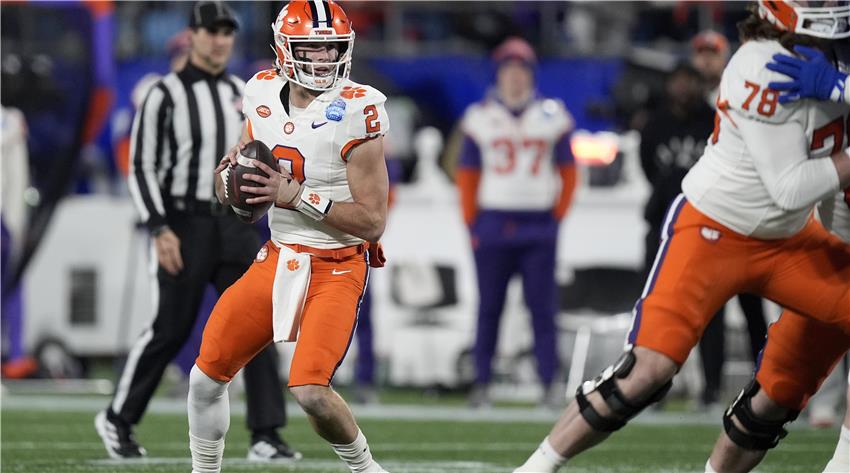
How Player Analytics in College Football Are Shaping NFL Draft Strategies
In the ever-evolving arena of sports, player analytics have become a vital tool in decision-making processes.
College football teams are increasingly relying on data-driven insights to enhance their performance and evaluate talent. This shift towards analytics is significantly influencing NFL draft strategies and player selections.
The integration of data analytics in sports has transformed how coaches prepare game plans and how front offices assess long-term potential. Advanced metrics now measure everything from player acceleration and separation rates to situational efficiency under pressure. In college football, this analytical depth supports more accurate recruiting decisions and player development programs.
This data-focused approach extends beyond campus stadiums and into NFL war rooms, where draft boards are increasingly shaped by measurable performance indicators rather than instinct alone. Teams combine traditional scouting with predictive modeling to reduce risk and maximize value in early and late round selections.
Analytics, Draft Projections, and the Sports Wagering Conversation
As analytics become central to roster construction, they also influence how fans interpret team potential and season outlooks. Statistical models used by teams often mirror the types of projections that drive public discussion around win totals, rookie impact, and divisional competitiveness.
In regulated markets, that analytical conversation naturally overlaps with the sports wagering landscape. During draft season and preseason analysis, interest in Michigan sportsbook promos often rises as fans look to align data-backed projections with early betting opportunities. Promotional activity frequently reflects the same themes dominating draft coverage, from breakout rookie candidates to projected playoff contenders.
The connection highlights how analytics shape more than internal team strategy. They influence media narratives, fan expectations, and even wagering behavior. As data continues to refine how talent is evaluated, its ripple effects will remain visible across both professional football and the broader sports ecosystem.
The Increasing Role of Analytics in College Football
College football has seen a significant shift towards the adoption of data analytics, transforming how teams evaluate their players and opponents. By utilizing advanced metrics and tools, teams can gain deeper insights into player performance, injury risks, and overall team dynamics. Technologies such as GPS tracking and wearable sensors provide real-time data that helps coaches optimize training regimens and game strategies. The application of these metrics allows for the identification of key performance indicators, ultimately enhancing player efficiency on the field.
Various metrics are now standard measurements used by college programs to assess potential recruits and existing team members. These include:
- Speed
- Agility
- Endurance
- Tactical awareness
Sophisticated software analyzes this data to predict future performance trends and identify areas for improvement. As a result, teams can tailor their training programs to address specific weaknesses, cultivating a more competitive environment. This analytical approach is becoming a cornerstone for successful college football programs across the nation.
Impact on professional draft strategies and selections
The influence of college football analytics extends beyond just campuses, significantly impacting NFL draft strategies as professional teams are increasingly incorporating these insights into their scouting and selection processes.
By analyzing detailed player statistics from their college careers, NFL scouts can make more accurate assessments of an athlete's potential impact at the professional level. Teams now prioritize data such as a player's physical metrics and past performances to forecast their adaptability to the NFL's rigorous demands.
This integration of analytics has led to some notable changes in draft selections:
- Players who may have been overlooked due to traditional scouting methods now gain attention through strong analytical profiles.
- Highly touted prospects sometimes see their draft positions affected when analytics reveal inconsistencies or potential concerns.
The ability to harness college-level data gives NFL teams a competitive edge when constructing their rosters.
Evaluating the Advantages and Limitations of Analytics
The use of analytics offers several benefits for NFL teams during the drafting process:
- It provides an objective framework for evaluating talent, reducing reliance on subjective opinions that can skew perceptions.
- Additionally, analytics allow teams to uncover hidden gems in the form of athletes who excel in specific metrics but may lack conventional recognition.
- By focusing on data-driven insights, teams can build more balanced and effective rosters tailored to their strategic goals.
However, there are challenges associated with relying heavily on analytics:
- Data cannot capture all aspects of a player's potential or fit within a team's culture and system.
- Emotional intelligence, leadership qualities, and resilience under pressure are difficult to quantify but crucial in team dynamics.
Thus, while analytics do play a vital role in modern draft strategies, they must be balanced with traditional scouting methods to ensure comprehensive evaluations.
Future Outlook for Analytics in Professional Drafts
As technology advances, the role of analytics in both college football and NFL drafts will likely continue to expand. The trend towards more sophisticated data collection methods promises even greater insights into player capabilities and development trajectories. NFL teams will increasingly refine their approaches by integrating innovative analytical tools with established scouting practices.