
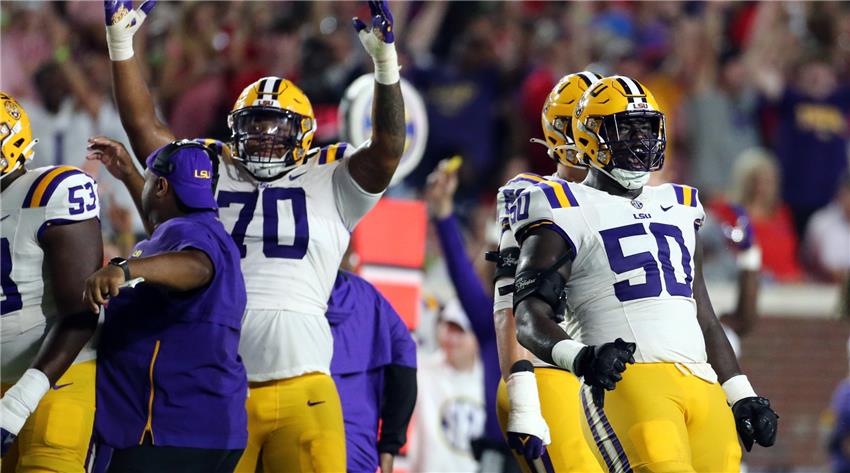
The draft room will not chase hype, it will chase usable certainty
The 2026 NFL Draft will arrive in Pittsburgh on 23-25 April with the usual noise, but front offices will hear something else beneath it: scarcity.
Every team will enter the week trying to solve a shortage of clean answers. Quarterbacks will still distort the room. Offensive linemen will still climb once panic starts. Edge rushers will still tempt clubs into overpaying for upside. Yet the smarter franchises will understand that the draft is not a beauty contest. It is a three-day exercise in information management, risk control, and long-range roster design. That is why the event will matter well beyond Round 1. It will expose which clubs are building systems, and which are simply collecting names.
Why Pittsburgh will stage more than a spectacle
The official order has already given the event a sharp outline, with Las Vegas holding the first overall pick as of mid-March. Big events tend to pull in adjacent curiosity from across the sports internet, including list-style interest around the top 10 most expensive football trophy in the world, even when the real story is more strategic than spectacular. That will tempt lazy narratives about saviors and instant turnarounds. The pattern is familiar across sports media, where dramatic framing often pulls attention faster than substance, especially in the same culture that keeps revisiting debates about the world best football player of all time. Real draft strategy will be less cinematic. Teams at the top will weigh positional value against contract windows, scheme fit, medical histories, and the cost of passing on a premium athlete for a need-based choice. Teams in the middle will have to decide whether to hold their line or jump the board for one specific trait. By Saturday, the clubs that keep emotional discipline will usually look the smartest.
The board will be built in layers, not in headlines
Scouting departments will not stack prospects by fame. They will sort them by decision speed, functional athleticism, recovery traits, age curve, coachability, and whether their college usage hides or reveals their real ceiling. A wide receiver with highlight catches but weak separation data will trigger one kind of debate. A tackle with plain tape but repeatable footwork will trigger another. This is where draft rooms become chess rooms. The best teams will ask what a player will become by Year 2, not merely what he looked like in a clean October game against a weak opponent.
The questions every serious team will ask
- Will this player translate to our tempo, spacing, and coaching language?
- Is the athletic profile functional, or only impressive in testing conditions?
- How soon will the player help on special teams, sub-packages, or rotational snaps?
- What will happen when the prospect loses his first NFL matchup physically?
- Will the pick still look sensible when contract value is compared with position scarcity?
Africa’s pathway will become harder to ignore
The African focus inside this draft cycle will feel more concrete than symbolic. The NFL’s International Player Pathway Class of 2026 has already named prospects tied to Kenya, Nigeria, and Algeria among its thirteen athletes from ten nations. Joshua Weru of Kenya will represent the kind of explosive developmental athlete that clubs once ignored because the runway felt too long. Nigeria will send multiple names into the wider conversation, including Collins Arogunjo, Uar Bernard, Michael Daramola, Chibuike Madu, and Anjola Oketola. Seydou Traore, with Algeria and Ivory Coast in his background and Mississippi State on his résumé, will show how the African story now moves across academy routes, college football, and late development. Teams will not draft these players as gestures. They will evaluate them as strategic bets on traits that can be coached into roster value.
That matters because the league’s relationship with Africa is no longer theoretical. NFL operations have repeatedly tied the continent to talent identification camps, Academy development, and the long horizon of the IPP model. The result is that general managers will have to think differently about timelines. A raw defensive end with elite closing speed and a rugby background may not be a September starter, but he could be a cheap and dangerous piece by the following winter. Draft strategy has always rewarded the clubs willing to see two seasons ahead. Africa’s rise will challenge more teams to think in exactly that way.
The smartest rooms will price uncertainty better than the rest
This is where the draft starts to resemble other high-pressure markets. Value, timing, and perception often matter as much as pure talent in those environments, much as they do in wider sports conversations around the richest football club in the world. Nobody will possess perfect information. The advantage will come from assigning the right value to uncertainty and then refusing to overreact when the board gets messy. One trade can change a run on corners. One medical flag can drop a talented lineman twenty spots. One panic move can make the whole room lie to itself. The clubs that win the weekend will remain faithful to their models without becoming prisoners of them.
Where draft analysis spills into betting and gaming
Draft week will bring sports media, mock drafts, and market thinking into a single conversation. At the same time, part of that audience will move across search and betting content in ways that resemble the hunt for the best football prediction site in the world, even when the event itself belongs to a different code. Once punters begin comparing roster needs, trade windows, and first-round cotes, mel-bet.co.ke/en will sit naturally inside that routine as a place where betting analysis can follow the event round by round instead of stopping at the headline pick. That matters because the draft is really a sequence of reactions, not one grand decision. It also mirrors the way sports audiences jump between major questions, from roster-building debates to evergreen searches about who is the best football player in the world. The sharper the board becomes, the more valuable live price movement and prop structure will become. Pittsburgh will reward readers who stay alert between picks, not only before the commissioner reaches the podium.
The first round will always lure casual viewers into believing in dramatic certainty. Seasoned bettors, however, will wait for updates on trades, scheme leaks, and position shifts before making their moves. In that environment, an official licensed site in Kenya will matter because transparency, speed, and clearly separated draft markets are more valuable than hype. Some will wager on team-specific props, while others will follow qualification-style logic about who will move up or slide. A disciplined analysis of the board will still outperform the loudest television segment.
Not every draft-night habit will stay inside football logic. There will also be viewers who treat the evening as a long session of suspense, quick reversals, and short bursts of risk, which is why Melbet casino games will fit into that digital routine. Casino play operates on a different rhythm from the draft board, yet both appeal to the same appetite for momentum swings and split-second turns. The difference, of course, is that smart football analysis still depends on context: scheme, coaching, contracts, and positional depth. Draft strategy will therefore remain the more patient art, even on a loud Thursday night.
What teams will learn about themselves?
By the end of Day 3, every franchise will have drafted players. Not every franchise will have revealed a coherent plan. That will be the real story. Good teams will come out of Pittsburgh looking more like themselves than they did before. Bad teams will leave with a pile of names and a fresh set of contradictions. The 2026 draft will not only choose future stars. It will expose which organizations understand development well enough to recognize one before everybody else does.