
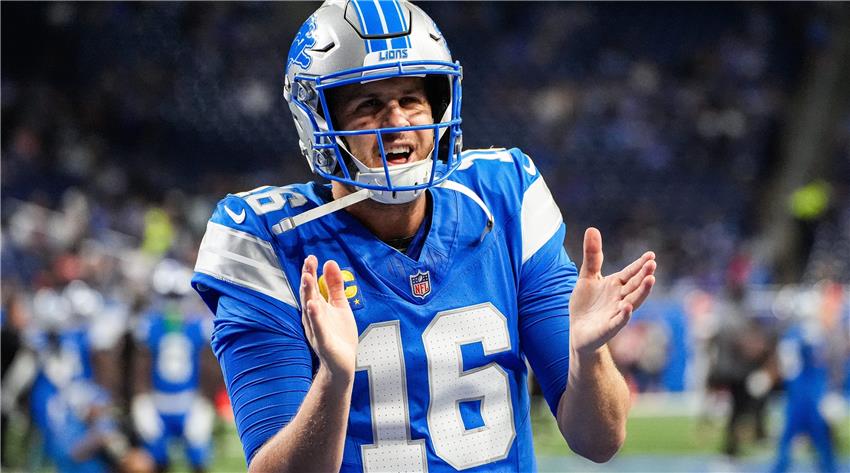
What NFL Draft Prospect Hype Teaches You About Reading Texas Betting Markets
Every April, somebody's mock draft board gets torched because a receiver ran a 4.38 at the combine and suddenly everyone forgot he dropped nine catchable balls in his final college season. It happens every single cycle. A number goes viral, a Twitter thread gets 40,000 likes, and by the first round of actual mocks the guy's a top-15 lock. Then October comes. He's inactive on gameday.
I've watched this pattern for six drafts now. It never gets less predictable, and it never stops working on people who should know better.
Here's the part nobody talks about: the exact same mechanism is quietly wrecking bettors' bankrolls every September, except now it's dressed up as a prop line instead of a big board ranking. Take a Cowboys rookie skill player who flashed in three preseason snaps against backup linebackers. By Week 2, his anytime-touchdown odds have moved like he's already a WR1, and the sportsbooks know exactly what they're doing by letting that number sit there. It's the combine 40 time all over again, just wearing a different jersey.
Texans looking to actually act on these lines, rather than just complain about them on a message board, need a platform built for depth and speed. The betting apps in Texas that handle granular prop markets, not just point spreads, are worth knowing before Week 3 lines get set, because that's when the gap between hype and reality is widest.
The Combine Number and the Preseason Stat Line Are the Same Trap
Scouts have a phrase for this: workout warrior. A guy who tests brilliantly in shorts and a t-shirt but can't translate it once pads go on and a real defensive coordinator is disguising coverages. RotoWire's own draft pick value data shows just how unreliable perceived value is across pick slots when measured against actual Pro Bowl and bust rates over 25 draft classes. The number on the stopwatch and the outcome on Sundays are not the same thing. Anyone who's built a big board knows this in their bones.
Bettors chasing rookie props are falling into the identical hole. A receiver catches two deep balls in a meaningless third preseason game against a team already resting starters, and by kickoff Week 1 his odds have been bet down by public money that watched the same 45-second highlight clip on repeat. It's not analysis. It's pattern-matching off a small, cherry-picked sample, which is exactly what happens every March when a prospect's Senior Bowl week gets overweighted against four years of actual college tape.
Busts Happen for the Same Reason Bad Bets Happen
CBS Sports keeps a running list of the biggest draft busts by team, and reading through it is basically a catalog of hype outrunning substance. Same story on the biggest busts of all time list from Yahoo. It's rarely about a total absence of talent. It's about the gap between what everyone convinced themselves they saw and what was actually there.
Money does something strange to perception. Once a bettor has a position, they start rooting for the number to be right instead of evaluating whether it ever was. Sound familiar? It should. It's the same thing that happens to a GM three years into a bad first-round pick, still finding him snaps because admitting the miss is harder than living with it.
What should actually move a prop line:
● Snap count share in real, meaningful game action (not preseason garbage time)
● Target share relative to the players actually ahead of him on the depth chart
● How the opposing defense has performed against that specific role over the last three games
● Injury context for the players he'd be replacing
What actually tends to move a prop line instead: a 60-second Sunday morning highlight reel and a name recognizable enough to trend.
Reading a Line Like You'd Read a Prospect
Dak Prescott quietly passed Tony Romo on the franchise's all-time passing touchdown list this season, which is the kind of steady, unglamorous production that never trends the way a rookie's flashy catch does. That's the whole point. Boring accumulation beats hype almost every time, in scouting and in betting markets alike.
The scale of what's actually riding on these lines nationally is enormous. ESPN reported U.S. Sports betting hit a record $16.96 billion in revenue in 2025, and that kind of volume means the public overreaction to a shiny rookie storyline isn't a rounding error. It's a real, repeatable inefficiency that sharp bettors lean into every single week.
So how do you actually apply the scouting mindset to a betting slip? Treat every rookie prop the way you'd treat a Day 3 sleeper getting first-round buzz two weeks before the draft. Ask who's actually charting the tape. Ask whether the sample is real or manufactured by a highlight algorithm. Ask if the number moved because of information, or because of attention.
Most of the time, it's attention. Attention is loud, fast, and almost always wrong at the margins.
Where Texas Bettors Actually Sit in All This
Texas complicates things further because there's no in-state regulated market to fall back on. Sports Illustrated's rundown on Texas sports betting and prediction markets lays it out clearly: traditional mobile sportsbooks remain off the table under state law, which is why DFS platforms and prediction markets have filled part of that vacuum, and why offshore-facing apps carry so much weight for anyone who wants deep prop coverage on a Cowboys game.
That regulatory gap actually makes the hype problem worse, not better. Fewer domestic books means fewer competing lines, which means less pressure to correct a number quickly once public money piles onto a rookie storyline. A sharp Texas bettor watching that Week 3 Cowboys prop sheet needs a platform that updates fast and offers markets deep enough to actually find where the mispricing lives, not just the marquee spread everyone's already staring at.
If you want a broader primer on how these platforms handle payment rails and account setup before you're scrambling on a Sunday morning, our beginner's guide to crypto sportsbooks walks through the basics. And if props specifically are new territory, our explainer on NFL prop bets breaks down how to read player performance data instead of just vibes.
The Discipline Scouts Wish More Bettors Had
Good scouts hate small samples. It's practically the first lesson. A great pro day doesn't erase three years of drops, and one electric preseason snap doesn't erase a crowded depth chart. The best evaluators wait for volume before they commit to a grade, and they're comfortable being early or wrong rather than loud and confident off nothing.
Most bettors don't have that patience. They want the story right now, the hot rookie right now, the receiver whose combine tape got 200,000 views right now. Sportsbooks aren't confused about this. They price rookie props knowing full well that recreational money follows attention, not tape.
That's not a knock on the games themselves. It's just a reminder that the same discipline that makes someone a sharp draft evaluator, patience, skepticism of small samples, willingness to be boring, is exactly what makes someone a profitable bettor over a full season instead of a lucky one for three weeks in September.
Gambling involves risk. Please play responsibly and only wager what you can afford to lose. If you feel gambling is becoming a problem, visit BeGambleAware.org or call 1-800-GAMBLER.
FAQ: Draft Hype and Texas Betting Markets
Is sports betting legal in Texas in 2026? Regulated, in-state mobile sportsbooks are still not legal in Texas as of this year. Residents typically use offshore-facing platforms or DFS and prediction-market products instead, which operate in a different legal category from a licensed domestic sportsbook.
Why do rookie prop bets get overpriced so often? Small samples, usually preseason snaps or highlight clips, get treated like proven track records. Public betting money tends to chase recognizable names and viral plays rather than actual snap share or target data, which pushes odds away from real value.
How is this different from draft bust analysis? It's the same core mistake, just on a different timeline. Draft busts happen when hype outpaces tape over years. Prop mispricing happens when hype outpaces game data over weeks. Both come from overweighting a flashy, small sample.
Can preseason performance actually predict regular-season prop value? Rarely, and mostly no. Preseason snaps come against backups and vanilla defensive schemes. Regular-season usage against a real game plan and real starters is a completely different data set, which is exactly why lines built on preseason buzz tend to correct fast.
What should a bettor check before trusting a rookie prop line? Snap count in meaningful game action, target or touch share relative to teammates ahead of him on the depth chart, and how the opposing defense has handled that role recently. Skip anything based purely on a highlight clip or a name with buzz.