
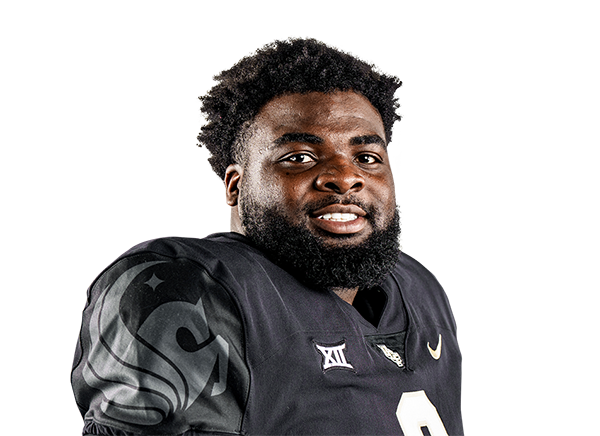
Lee Hunter DT Texas Tech |
NFL Draft Profile & Scouting Report
| Jersey: #2 SUB-POSITION: DT 3-TECH | ||||||||||||||||||||||||||||||
| Last Updated: 03/04/2026 | ||||||||||||||||||||||||||||||
| Draft Year: 2026 | ||||||||||||||||||||||||||||||
| FORTY time: 5.18 seconds (33%*) | ||||||||||||||||||||||||||||||
| Age: 24.2 DOB: 07/02/2002 | ||||||||||||||||||||||||||||||
| Bowl Invite: Senior Bowl | ||||||||||||||||||||||||||||||
|
||||||||||||||||||||||||||||||
| Jersey: #2 | |
| SUB-POSITION: DT 3-TECH | |
| Last Updated: 03/04/2026 | |
| Draft Year: 2026 | |
| Forty time: 5.18 seconds (33%*) | |
| Age: 24.2 DOB: 07/02/2002 | |
| Bowl Invite: Senior Bowl | |
| Overall Rating: | 85.3 / 100 | |
|---|---|---|
| Average rating of opposition Offense player has faced | ||
| Offense Rating: |
|
72% |
| Click the links below to view how player ranks vs other prospects. | ||
| Tackling: |
|
70% |
| Pass Rush: |
|
76% |
| Run Defense: |
|
86% |
|
DRAFT PROJECTION:
2nd - Mid
Overall Rank:
#48
Position rank:
#12 (DL)
|
||
| College Games: 51 College Snaps: 1824 | ||
 ESPN RATING: 86/100
|
||
|
247 RATING: 94/100
|
||
|
RIVALS RATING: 5.9 (97%)
|
||
| Player Comparison* (Similarity level) | ||
|---|---|---|
| Phidarian Mathis - Alabama |
|
85% |
| Joshua Farmer - Florida State |
|
83% |
| Jordan Phillips - Maryland |
|
83% |
 Drafted: ROUND: 2 - Pick Number: 49 (CAR)
Draft Profile: Bio
Lee Hunter was a two-way force at Blount High School, putting up 23 tackles for loss as a junior and 20 more with 4.5 sacks as a senior. That production earned him Alabama Class 6A Lineman of the Year, first-team All-State, and a consensus four-star rating with ESPN ranking him the No. 7 defensive tackle nationally. He signed with Auburn, redshirted in 2021, then followed coach Gus Malzahn to UCF.The move to Orlando reshaped his career. After a quiet redshirt freshman year, Hunter broke through as a sophomore in 2023 with 69 tackles, 11 TFLs, and three sacks across 13 starts, leading all FBS defensive tackles in tackles per PFF. His junior year added 45 tackles and 9.5 TFLs. Over those two UCF seasons, he posted 58 run-defense stops, most by any interior defender nationally.
Hunter transferred to Texas Tech for his senior year, rated ESPN's No. 2 portal defensive tackle. He anchored a defense that ranked first nationally in rushing at 68.5 yards per game while earning preseason watch list nods for the Outland, Bednarik, Lombardi, and Nagurski trophies. Across 51 career games and 1,800-plus snaps at three programs, Hunter collected All-America honors from the AP, FWAA, USA Today, The Athletic, CBS Sports, and Sporting News.
Scouting Report: Strengths
- Wins at the point of attack with violent hands and a natural anchor against combo blocks.
- Thick, powerful base with a 6-9 wingspan built to clog interior gaps at the next level.
- Fires low out of his stance with surprising burst, gaining ground before blockers can set.
- Run defense tape is consistently impressive; 58 run stops over two UCF seasons confirms it.
- Gap integrity forces opponents to devote extra resources, opening clean lanes for linebackers and edges.
- Generates real pocket push as a bull rusher, driving guards into the quarterback's lap with raw power.
- Wraps up and finishes near the line of scrimmage, playing through contact with his chest plate.
- Three years of meaningful Power Four production across 51 games removes guesswork about readiness.
Scouting Report: Weaknesses
- Gets tall when fatigue sets in, losing pad level and letting linemen get underneath him.
- Pass rush is essentially one move deep; bull rush only, with no counters or hand variety.
- Lacks lateral quickness and long speed, which limits pursuit and makes him a liability on escaping quarterbacks.
- Effort visibly drops on plays away from his gap; needs a snap count rotation to stay effective.
- Stiff hips and limited bend make him vulnerable on line games and twist packages.
Scouting Report: Summary
Hunter is a run-stuffing nose tackle, and there is no reason to pretend the projection is anything more complicated than that. What he does against the run is very good. He plants in the A-gap, absorbs double teams with heavy hands, and holds ground while freeing up the second level. The 58 run-defense stops over two seasons at UCF and a Texas Tech defense that led the nation in rushing yards allowed are not accidents. His strip sack against BYU and tackles for loss in five straight games to close the season show he can flash as a playmaker, even if that will never be his primary value.The pass rush limitations are the kind that cap his role. He is a one-trick bull rusher right now, and the athleticism is not there to threaten interior linemen with anything beyond straight-line power. When he gets tired, he plays high and lets blockers dictate the rep. In a league that increasingly demands interior pressure on passing downs, those are the traits that separate a rotational nose from a three-down starter. Nobody should draft him expecting a pocket-collapser on third and long.
His NFL path is clear. In a four-man front that values size and gap control, Hunter can contribute immediately as an early-down 0 or 1-technique who eats blocks and keeps linebackers clean. The right staff could develop counter moves and iron out the pad level issues, and if they do, there is starter upside in a run-heavy scheme. His floor is a dependable rotation piece earning 15 to 20 snaps a game on first and second down. The production is proven, the tape is deep, and the role fits.
Written By:
Andrew Moore (The American)
Lee Hunter percentiles vs other Defensive Tackles (NFL Combine historically - higher value represents better perfomance)
How other scouting services rate Lee Hunter (Overall Rank)
All Scouts AverageOverall Rank
53.8
All Scouts AveragePosition Rank
16.0
*Percentile Ranking in Player's Position Group (NFL Combine Historical Data): This percentile reflects how a player's specific statistics rank
in comparison to historical performances at the NFL Combine, specifically within their position group. A higher percentile indicates a better performance.
For instance, being in the 90th percentile for a particular stat means the player outperformed 90% of their peers in that category.
*Similarity Percentage: This percentage is calculated based on a comprehensive analysis of various factors, including height, weight, 40-yard dash times, on-field performance statistics, and overall player rating. The analysis is conducted against our database of draft prospects from 2021 to 2023. This similarity score helps in evaluating how closely a current prospect aligns with past prospects. It is important to note, however, that this score reflects similarities based on college production and attributes, and does not account for eventual success or performance in the NFL.
*Similarity Percentage: This percentage is calculated based on a comprehensive analysis of various factors, including height, weight, 40-yard dash times, on-field performance statistics, and overall player rating. The analysis is conducted against our database of draft prospects from 2021 to 2023. This similarity score helps in evaluating how closely a current prospect aligns with past prospects. It is important to note, however, that this score reflects similarities based on college production and attributes, and does not account for eventual success or performance in the NFL.